EDGE at SAHA 2026: Three Systems Defining the Future of Multi-Domain Defence
29 April 2026Future operational advantage is driven by integrated capabilities, strategic partnerships, and continuous technology evolution. At EDGE, we’re disrupting the global defence industry with a broad portfolio of multi-domain systems designed to support rapid deployment, operational flexibility, and collaborative development opportunities.
At SAHA 2026 International Defence and Aerospace Exhibition, EDGE returns for the second time, supporting regional capability development through knowledge exchange, technology transfer, and mutually beneficial collaboration. The following systems illustrate key capability areas that are shaping future operational requirements.
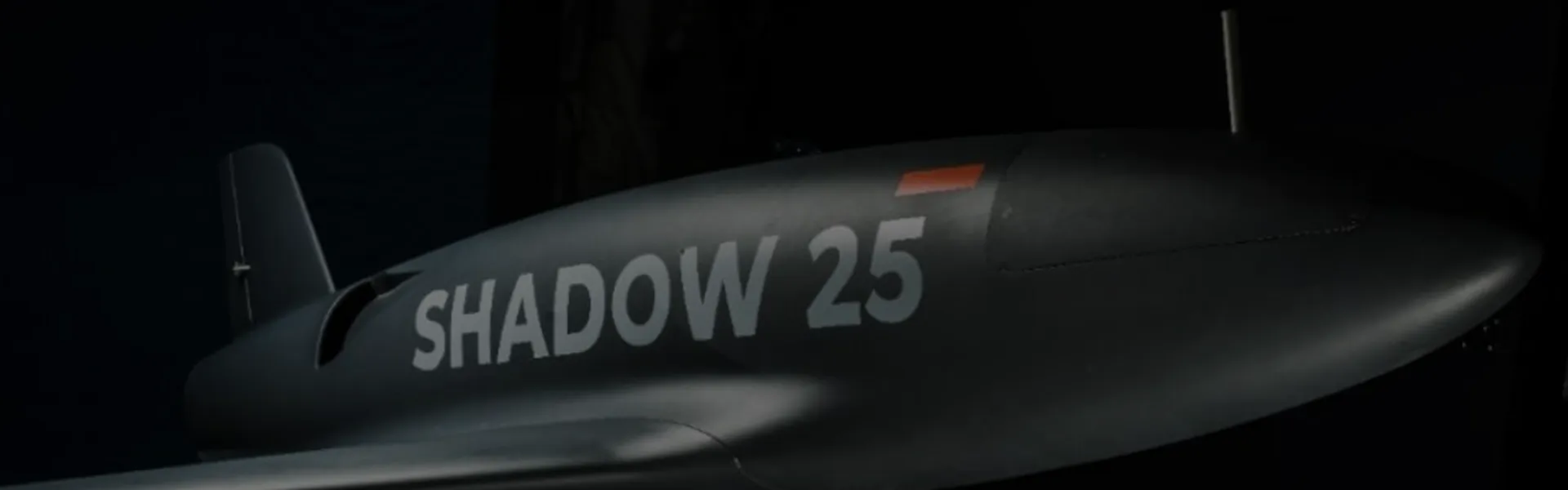
SHADOW 25: Long-range, loitering strike capability
Addressing the need for long-range strike capability, SHADOW 25 is a jet-powered loitering munition designed for extended-endurance operations. With a reach of up to 250 km and speeds of 400 km/h, it enables rapid response against time-sensitive and fast-moving threats across large operational areas.
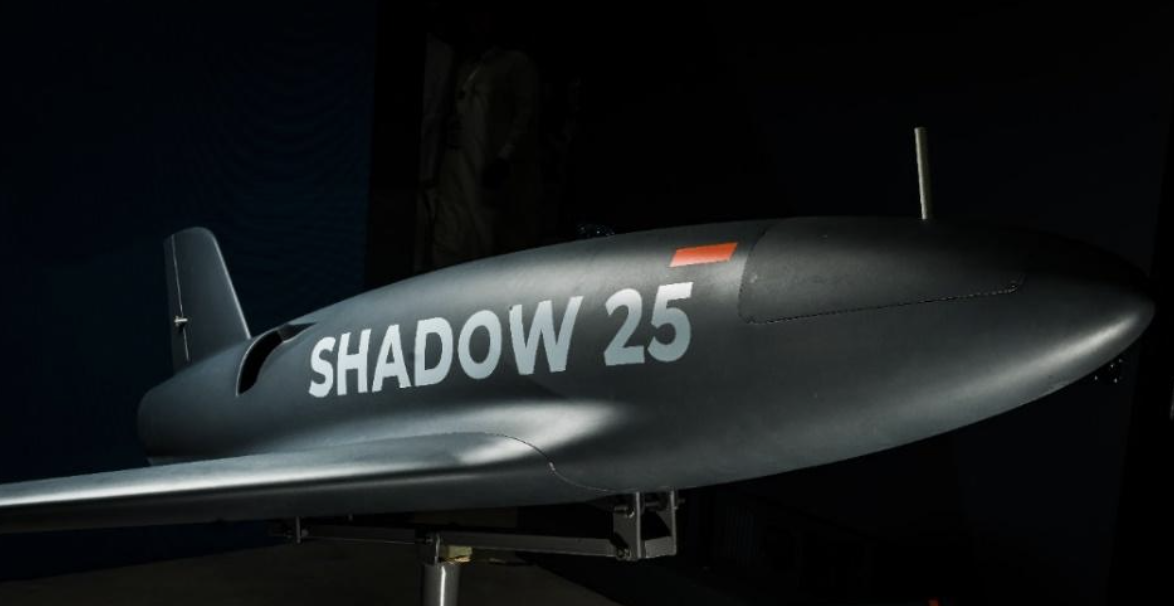
With an endurance of 60 minutes, SHADOW 25 provides persistent coverage over target areas, enabling mission flexibility between surveillance, target confirmation, and strike execution. Its onboard video navigation and advanced guidance system deliver real-time target identification and precision engagement, supporting operators in dynamic operational scenarios.
Designed with mission scalability in mind, SHADOW 25 supports multiple launch capabilities with rocket-assisted take-off from a truck-mounted or trailer launcher, enabling rapid deployment and a reduced launch footprint. Coordinated flight path planning allows for saturated attacks on designated fixed targets, overwhelming them and, at the same time, increasing mission effectiveness.
SKYSHIELD QD: Rapid counter-UAS capability
As drone threats continue to evolve, SKYSHIELD QD enables rapidly deployable mobile counter-UAS (C-UAS) protection, allowing forces to secure national airspace in dynamic and contested environments. Designed as a fully self-contained system and mounted on a tactical vehicle, it allows quick repositioning across both on-road and off-road locations, with the flexibility to support both mobile and fixed deployments.
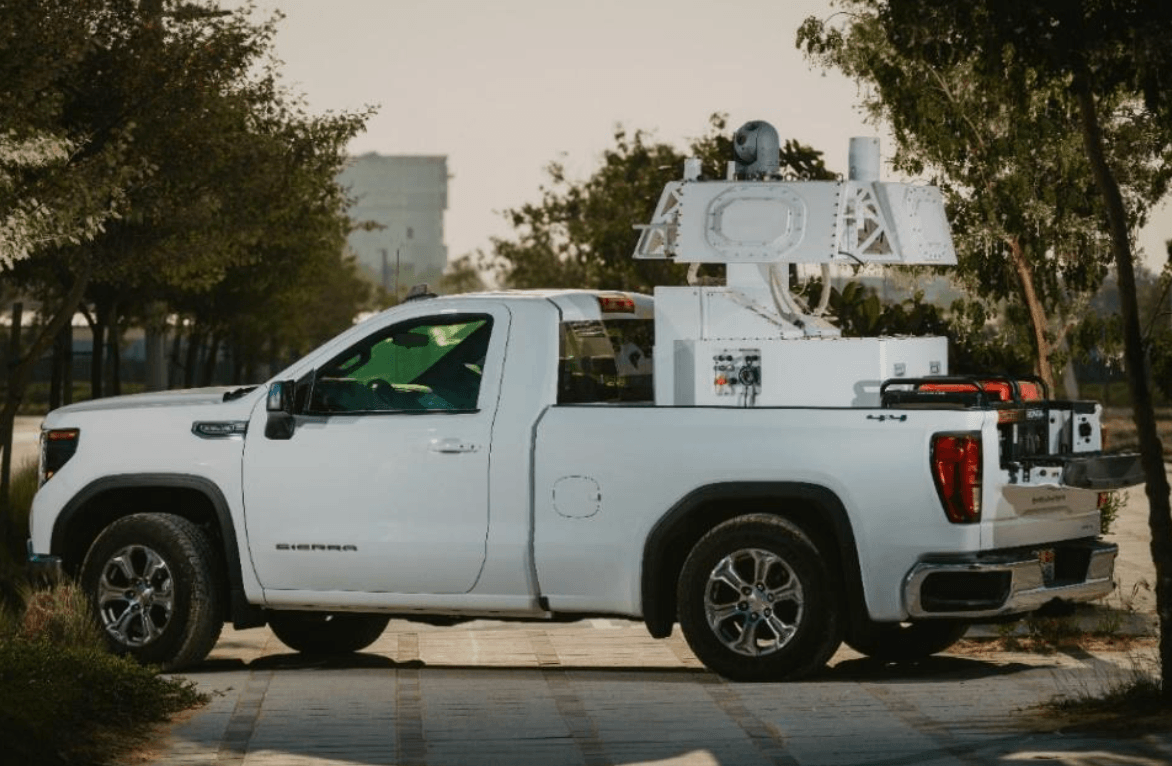
Combining detection, identification, and electronic attack capabilities, SKYSHIELD QD integrates radar, electro-optical/infrared (EO/IR) sensors, and direction-finding systems to provide real-time situational awareness, enabling rapid detection, tracking, and response to drone threats. This is complemented by advanced RF interference and GNSS spoofing capabilities over a wide 400-6000 MHz bandwidth, which can interrupt command-and-control links, forcing hostile drones to lose control, abort missions, or leave protected areas.
Aligned with the need for agile defence solutions, SKYSHIELD QD improves situational awareness and enables a rapid and decisive response, extending persistent protection to dynamic and high-risk environments.
MANSUP-ER: Extended-range maritime strike capability
To address evolving maritime threats, MANSUP-ER is a surface-to-surface anti-ship missile system with land-attack capabilities. Deployable from both land and sea platforms, and with a range of over 200 km, it provides forces with flexible engagement of maritime targets in contested environments.
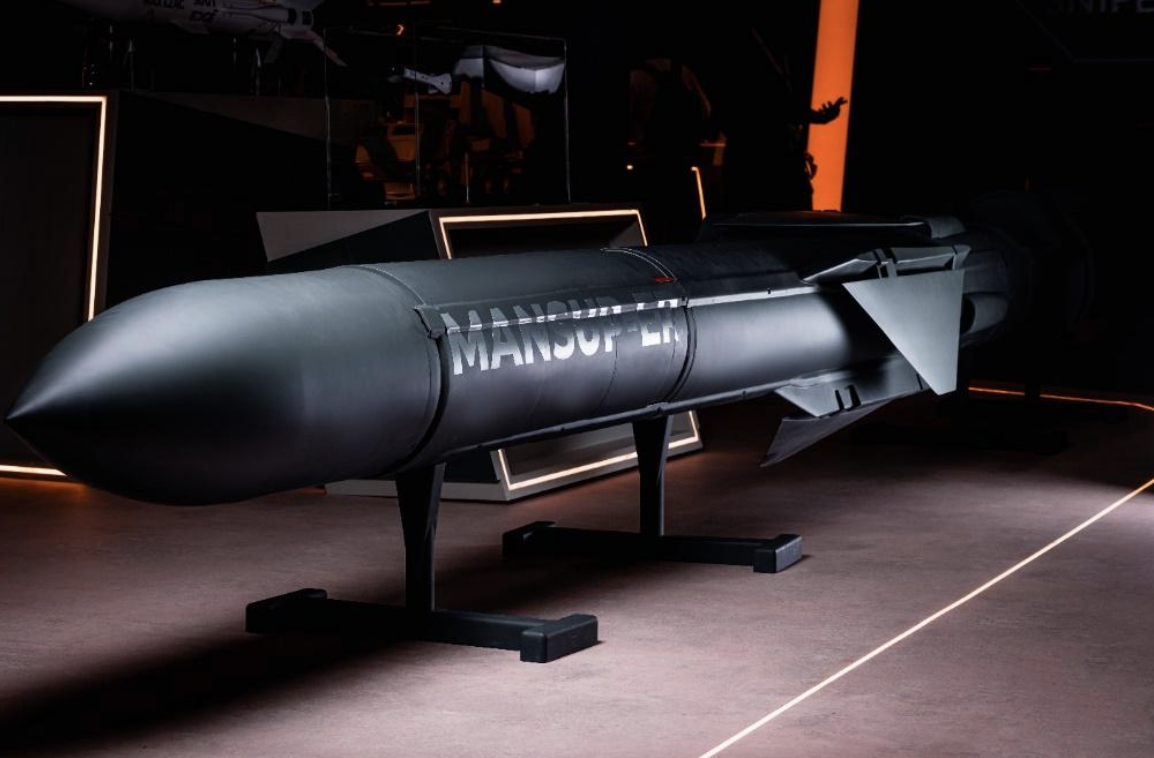
The all-weather system incorporates jamming-resistant active radar guidance for precision engagement in complex operational conditions. MANSUP-ER’s sea-skimming and overland flight profiles, terminal manoeuvres, and simultaneous time-on-target (ToT) strike capability reduce detectability while enhancing survivability in high sea states. When paired with multiple anti-ship missiles, its ToT strike capability enables saturation of defences, greatly increasing lethality.
Driving capability through collaboration
Together, these capabilities reflect a broader strategic direction focused on enabling next-generation operational effectiveness through integrated systems, industrial collaboration, and continuous innovation. At SAHA 2026, this approach creates opportunities to strengthen partnerships, enable technology transfer, and contribute to resilient, future-ready defence ecosystems.